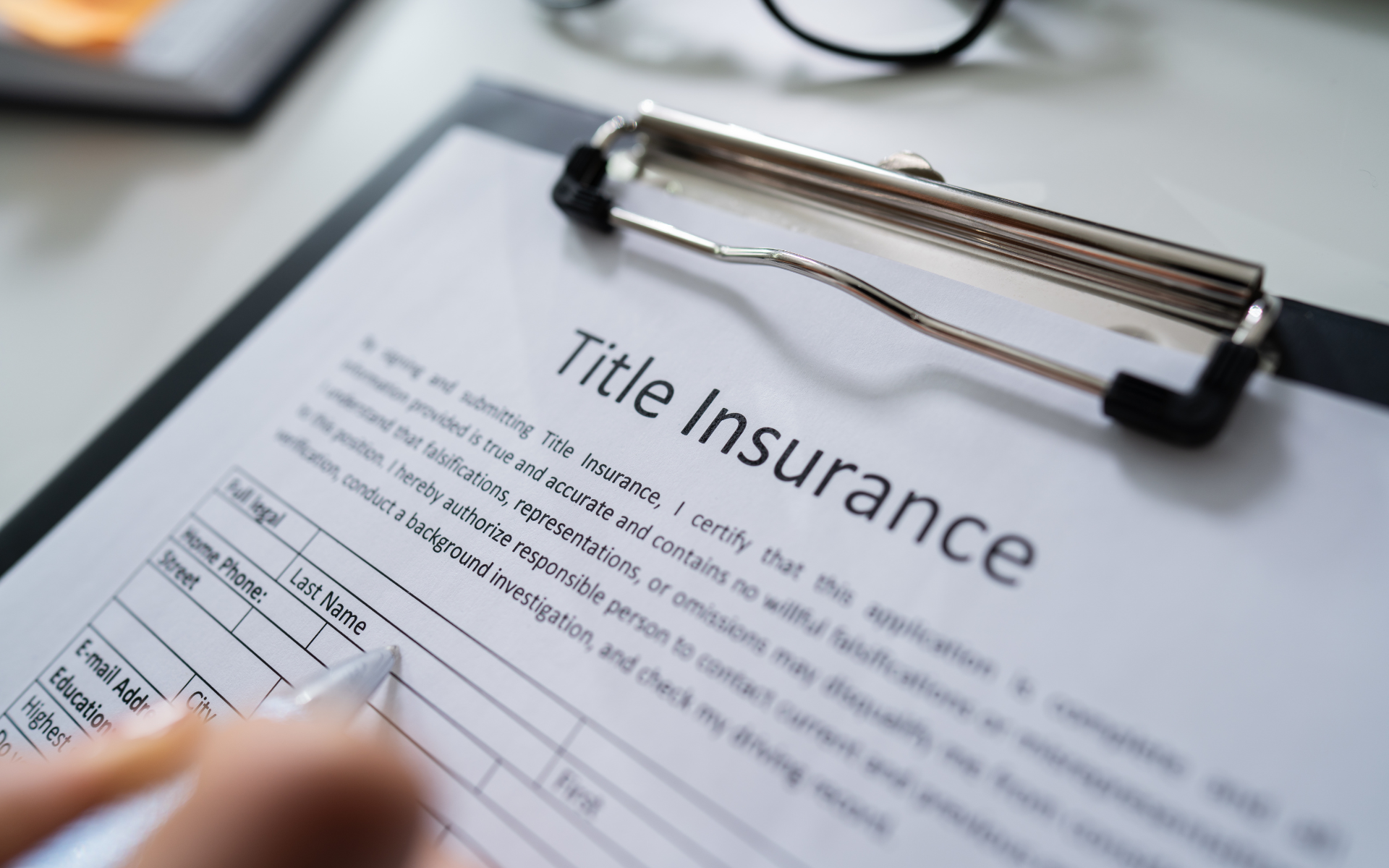
Title insurance protects property buyers and lenders against hidden defects in a property’s ownership history, and most Manhattan condo and townhouse buyers will need at least one policy. If you are financing your purchase with a mortgage, your lender will almost certainly require a lender’s title insurance policy before approving the loan. However, New York law does not require buyers to purchase an owner’s policy, and co-op buyers typically do not need title insurance at all because they are purchasing shares in a corporation rather than real property.
At Sishodia PLLC, Manhattan real estate attorney Natalia A. Sishodia helps buyers and sellers understand every cost and legal requirement involved in closing on a property. Ourteam guides clients through title searches, policy selection, and the full closing process to help protect their investment.
This guide explains what title insurance is, who needs it in New York City, what it covers, how much it costs, and how it differs depending on whether you are buying a condo, co-op, or townhouse.
If you are buying property in Manhattan or anywhere in New York City, understanding title insurance is an important step in protecting your investment. To get guidance on title searches, insurance policies, and the closing process, call Sishodia PLLC at (833) 616-4646 to speak with Manhattan real estate attorney Natalia A. Sishodia.
What Does Title Insurance Cover in New York?
Title insurance is a type of indemnity coverage that protects property owners and mortgage lenders against financial losses caused by defects in a property’s title. In New York, title insurance companies operate under state regulation, and policy forms and premium rates must be approved by the New York State Department of Financial Services.
Before issuing a policy, a title company conducts a title search. This is a detailed examination of public records, including deeds, court records, property indexes, and other documents filed with the Office of the City Register in Manhattan. The search traces the property’s ownership history to identify any liens, judgments, unpaid taxes, or other encumbrances that could affect the buyer’s rights.
Key Takeaway: Title insurance protects against hidden ownership defects that a title search may not uncover, including fraud, forgery, and recording errors. New York regulates title insurance under Insurance Law Article 64, and the DFS must approve all rates and policy forms.
Do You Need Title Insurance When Buying a Condo in Manhattan?
If you are purchasing a condominium in Manhattan with a mortgage, your lender will require you to buy a lender’s title insurance policy. This policy protects the lender’s interest in the property up to the loan amount. Because the property serves as collateral for the mortgage, the lender wants assurance that no competing claims exist against the title.
In addition to the lender’s policy, many buyers also purchase an owner’s title insurance policy. The owner’s policy covers the full purchase price and protects the buyer’s equity in the property. Under New York Insurance Law § 2305, title insurance rates must be filed with and approved by the Superintendent of Financial Services, so pricing is standardized across most insurers.
Purchasing both policies simultaneously at the same closing can reduce costs. The Title Insurance Rate Service Association (TIRSA) sets rates used by the majority of New York title insurers, and its rate manual includes a simultaneous issue discount. When you buy a lender’s policy and an owner’s policy together, the lender’s policy premium is calculated at 30% of the standard loan rate rather than the full amount.
Even all-cash buyers may want to consider an owner’s policy. Many Manhattan real estate attorneys recommend title insurance for cash purchases because the buyer assumes all the risk if a title defect is discovered after closing. Without a policy, the buyer would need to resolve any ownership dispute at their own expense.
Key Takeaway: Manhattan condo buyers who finance with a mortgage are typically required to purchase a lender’s title insurance policy. An owner’s policy is optional but protects the buyer’s full investment. Simultaneous issue discounts through TIRSA can reduce the combined cost.
Do You Need Title Insurance for a Co-op Purchase?
Co-op purchases in New York City are structured differently from condo transactions. When you buy a co-op, you are not purchasing real property. Instead, you are buying shares in the cooperative corporation that owns the building, along with a proprietary lease granting you the right to occupy a specific unit. Because no deed is recorded and no real property changes hands, title insurance does not apply in the same way.
Most co-op buyers do not purchase title insurance. The financing instrument for a co-op is a security agreement rather than a traditional mortgage, and it is not recorded with the City Register. The only document that typically gets recorded is a Uniform Commercial Code (UCC) financing statement, which indicates that the co-op shares serve as collateral for the loan.
This distinction is one of the reasons co-op closing costs in Manhattan are generally lower than condo closing costs. Co-op buyers avoid title insurance premiums, mortgage recording taxes, and many of the recording fees that condo buyers must pay. However, co-op buyers should still conduct thorough due diligence on the building’s financial health, board minutes, and underlying mortgage, as these factors affect the value and stability of their investment.
Real Estate Attorney in Manhattan – Sishodia PLLC

What Is the Difference Between the Two Policy Types?
New York recognizes two main types of title insurance policies, and each one serves a different purpose.
How Does a Lender’s Policy Work?
A lender’s title insurance policy protects the mortgage lender’s financial interest in the property. The coverage amount equals the loan amount, and it decreases over time as you pay down the mortgage. If a title defect causes the lender to lose its security interest in the property, the insurer compensates the lender for the loss.
This policy does not protect the buyer. If the property is worth more than the mortgage balance and a title claim arises, the buyer could lose the difference between the property value and the loan amount without any coverage. The lender’s policy terminates when the mortgage is paid off.
How Does an Owner’s Policy Work?
An owner’s policy protects the buyer’s equity in the property. It is issued for the full purchase price at the time of closing and remains in effect for as long as the buyer or their heirs own the property. If someone later asserts a valid claim against the title, the insurer either defends the claim or compensates the policyholder for the loss.
One important limitation is that a standard owner’s policy only covers losses up to the original purchase price. If the property has appreciated significantly since the purchase, the coverage amount may not reflect the current market value. Some insurers offer enhanced policies that cover appreciated value for an additional premium, though most Manhattan buyers purchase the standard policy.
| Policy Type | Who It Protects | Coverage Amount | Duration |
|---|---|---|---|
| Lender’s Policy | Mortgage lender | Loan amount (decreases over time) | Until the mortgage is paid off |
| Owner’s Policy | Property buyer | Purchase price (fixed) | As long as the buyer or heirs own the property |
| Enhanced Owner’s Policy | Property buyer | Appreciated value | As long as the buyer or heirs own the property |
Key Takeaway: A lender’s policy only protects the bank, not the buyer. An owner’s policy covers the buyer’s full purchase price and lasts as long as they own the property. Buyers who want coverage for future appreciation may consider an enhanced policy.
How Much Does Title Insurance Cost in Manhattan?
Title insurance premiums in New York are regulated by the state. Under New York Insurance Law § 6409, every title insurance corporation must file its rates with the DFS, and no insurer may deviate from its approved rates.
For Manhattan condo and townhouse purchases, total title insurance costs typically run between 0.4% and 0.7% of the purchase price. This includes the owner’s policy premium, the lender’s policy premium (if applicable), title search fees, and various endorsements. On a $1 million condo purchase in NYC, for example, a buyer might expect to pay roughly $4,000 to $7,000 in total title-related expenses.
The title company also collects municipal recording fees for filing the deed, mortgage, and other documents with the New York City Office of the City Register. These fees are separate from the insurance premium but are typically included in the overall title bill at closing. The Automated City Register Information System (ACRIS) processes and stores all property-related documents for Manhattan, Brooklyn, Queens, and the Bronx.
Several factors can affect your total title insurance cost, and buyers should discuss these with their attorney before closing:
- The purchase price of the property determines the base premium for both the owner’s and lender’s policies.
- Buyers who are financing their purchase will need a lender’s policy in addition to an owner’s policy, which increases the total cost.
- The simultaneous issue discount reduces the lender’s policy premium to 30% of the standard rate when it is issued alongside an owner’s policy at the same closing.
- Title search complexity may increase if the property has a long or complicated ownership history, which can add to the overall expense.
- Certain Manhattan properties may require specialized endorsements for zoning, environmental liens, or development rights, each carrying its own additional charge.
Key Takeaway: Title insurance rates in New York are regulated and generally uniform across insurers through TIRSA. Total costs for Manhattan buyers typically range from 0.4% to 0.7% of the purchase price, including premiums, search fees, and recording charges.
What Problems Can Title Insurance Protect You From?
Title defects can arise from events that occurred years or even decades before you purchased the property. In a city like New York, where buildings have changed hands many times over centuries, the risk of undiscovered title issues is significant. The New York County Clerk’s Office at 60 Centre Street in Manhattan maintains judgment dockets and lien records that title companies review during the search process, but some problems simply do not appear in public records.
Title defects come in many forms. Common issues that title insurance may cover include:
- unpaid property taxes or municipal liens
- undisclosed easements or use restrictions
- errors in public records, such as incorrect legal descriptions
- forged deeds or fraudulent documents in the chain of title
- ownership claims from unknown heirs or missing parties
Manhattan properties can present unique title challenges. Older buildings, especially pre-war structures, may have long and complex ownership histories involving multiple transfers, estate settlements, and corporate restructurings. New development purchases may involve issues related to the offering plan, incomplete construction, or developer obligations that need to be resolved before a clear title can pass to the buyer.
Key Takeaway: Title insurance can protect against liens, forgeries, recording errors, and claims from unknown parties. Manhattan’s long property histories and complex ownership structures can increase the likelihood of hidden title defects.
Talk to a Manhattan Real Estate Attorney Today
Buying property in New York City involves significant legal and financial decisions, and understanding your title insurance options is an important part of protecting your investment. Whether you are purchasing a condo, townhouse, or co-op, the closing process includes numerous costs and legal requirements that can affect your bottom line.
Manhattan real estate attorney Natalia A. Sishodia has helped buyers throughout Manhattan and New York City for years, guiding them through every step of the closing process. At Sishodia PLLC, our real estate lawyers review title reports, coordinate with title companies, and ensure that your interests are protected from contract to closing.
Call Sishodia PLLC at (833) 616-4646 to schedule a free consultation. Our office at 600 Third Avenue in Manhattan serves buyers and sellers throughout New York City, Brooklyn, Queens, Westchester, and the surrounding areas. We can review your transaction and help you understand which title insurance options may be right for your situation.